After watching the HBO hit TV show “Heated Rivalry,” I couldn’t help but notice one thing: they’re always nude. Although the show had heartfelt moments, the same question kept popping up in my head: “Is this storytelling, or is it objectification?”
It’s no secret that canon gay relationships and fanmade gay ships are a large part of the media and fan culture, as seen in the popularity of “Byler” and “Hollanov.” But while these relationships, canon or not, can feel like fun and games, the underlying tones of fetishization, both on screen and in fan reactions, are hard to ignore.
Although portraying these relationships and ships in general helps combat heteronormativity in the film world, it feels as if that isn’t the intention behind depicting these ships. It’s important to portray gay relationships in the media; after all, if society is progressing to be more accepting of the LGBTQIA+ community, then film media should do the same. But at what point does empowerment become objectification?
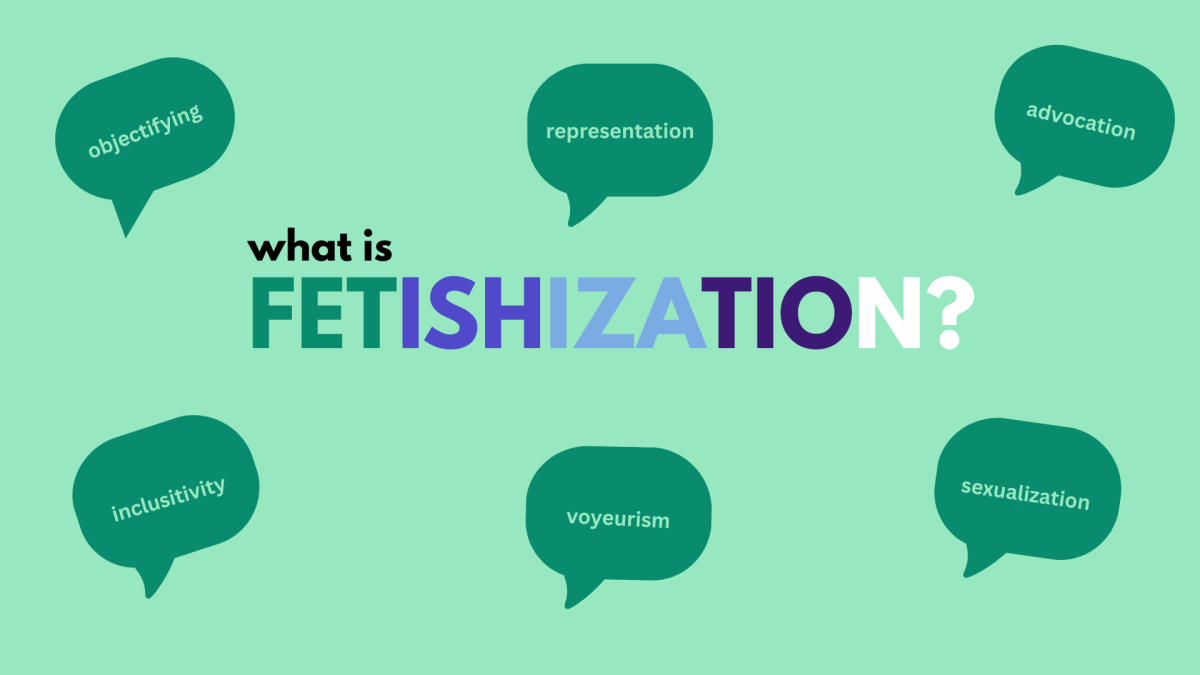
Before getting into the details of the media’s obsession with “Men Loving Men (MLM)” relationships, there are a few things to define. The first is defining what fetishization is.
According to Forbes, fetishization “can be thought of as the act of making someone an object of sexual desire based on some aspect of their identity.”
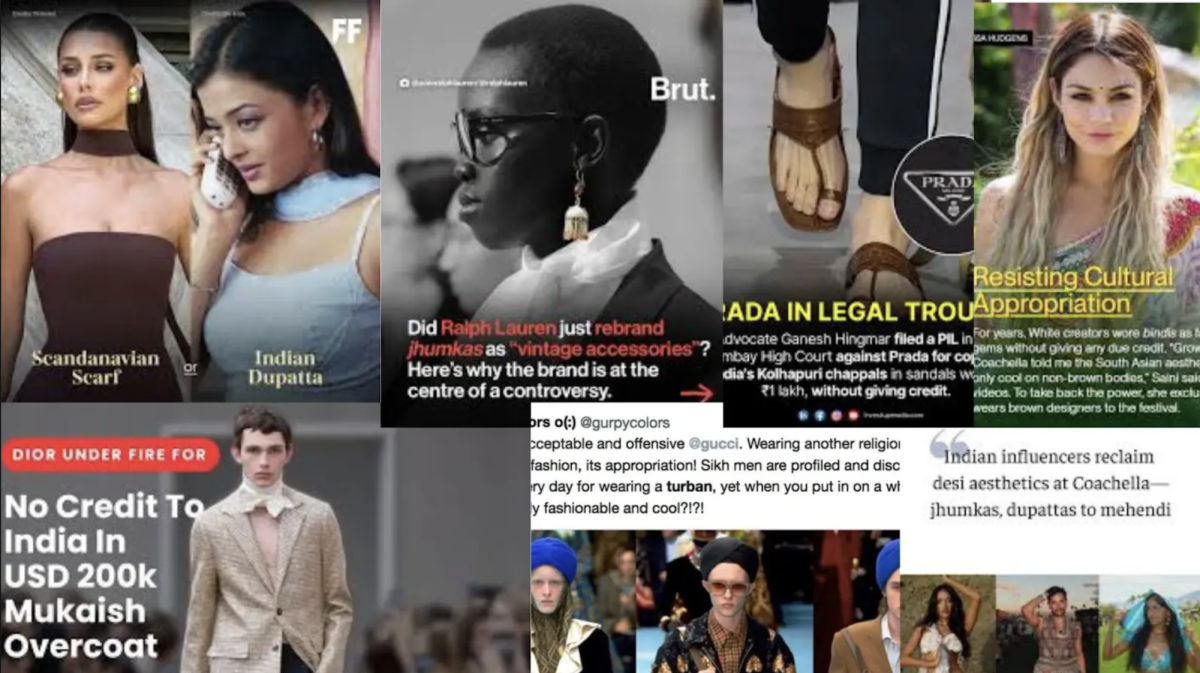
Forbes dives into the dangers of fetishization, specifically in the context of racism. The article writes, “Fetishization often continues the racism we are attempting to eradicate. Awareness is so vital to interrupt our biases. Much of the time, we are attributing certain characteristics to a person because of their race/ethnicity without even realizing that we are fetishizing and objectifying them, because these associations can often be more positive in nature.”
Writer and sustainability consultant Charles Orgbon III writes that he is “a Black gay man. While my identity is a vibrant tapestry of triumph, community, and unshakeable pride, it is also interwoven with threads of pain from being fetishized—treated as an object of curiosity and desire rather than as a human being with depth, dreams, and the longing to be truly seen.”
Although my argument surrounds the fetishization of gay relationships, looking at fetishization through a lens of racism is important in understanding how objectifying behaviors portray themselves when discussing gay relationships. Orgbon’s point of being treated as “an object of curiosity” is prevalent within TV and film’s portrayal of gay relationships and also in social media responses to these relationships. Instead of viewers and even film creators treating these relationships in a way that promotes inclusivity, they’re acting as if they’re a novelty.
The copious amount of nudity within “Heated Rivalry” is a main example of the objectification of the fetishization of gay relationships. The show’s plot centers around the secret relationships of closeted gay hockey players and their navigation of the homophobic culture of the sport. These plot lines alone are enough to show that the frequency of sexual scenes within that show adds almost nothing to the plot.
Although the amount of intimate scenes could be because the show is intended for mature audiences, for a show that touches on so many deeper topics, like internalized homophobia and familial pressures of heteronormativity, having every other scene be one where the characters are naked feels like it’s rooted in sexualization rather than representation.
The objectification of gay relationships doesn’t just stop at straight-up nudity; I have even seen it online and in social media fandom in possibly one of the most popular gay ships of all time, Mike Wheeler and Will Byers from the Netflix show “Stranger Things.”
The ship, Mike Wheeler and Will Byers, known by fans as “Byler,” began after the release of season 2 on October 27, 2017. I’d like to establish that I am a strong supporter of this ship, and unfortunately, I have seen a lot of social media responses that objectify this ship.
The main reason I believe “Byler” is being fetishized is because of the extreme amount of sexualization of the two characters that I have seen on social media. I find this odd for two reasons: the first is that, well, they’re minors; and the second is that “Byler” has so much more to offer than fulfilling one’s desire to see boys kiss.
The creators of this type of content often avoid the fact that Wheeler and Byers are minors by claiming that they are aged up. However, just by making it so the characters in these scenarios are of legal age to be portrayed in sexual situations, that doesn’t excuse the extreme amounts of fetishization going on.
Although having kissing or nudity doesn’t outright prove that “Byler” is being fetishized, looking at the content surrounding “Byler” compared to “Mileven” or other straight ships on Stranger Things shows a stark difference in the way gay relationships are treated compared to straight ones.
There’s a stark difference when comparing Byler content to the content about the ship of Eleven and Mike Wheeler, known as “Mileven.” “Mileven” doesn’t appear to be sexualized to the level that “Byler” is; it actually appears as if it isn’t sexualized at all.
This isn’t to say that there aren’t “Byler” fans who don’t appreciate the complexity of the ship and the reasons for backing it up. But, considering the fact that “Byler” itself is a ship that has many levels to it, including the discourse about Mike Wheeler’s potential internal homophobia, for one side of the fandom to dumb it down to the two characters being intimate with one another leaves me questioning the reason behind it.
To address this issue, the way straight couples and gay couples are portrayed and treated should be equal. Ideally, I think both relationships and ships shouldn’t be sexualized, and I think solving the issue starts with treating both the same.
I think it’s extremely important to continue to push for representation of the LGBTQIA+ community within on-screen relationships. Fandom relationships like “Byler” and “Hollanov” resonate with that fact because they allow fans to explore the themes of identity and the struggle to be understood, not simply because they involve two boys interested in one another. When audiences and creators focus more on the novelty or sexual appeal of these relationships than on the characters themselves, representation begins to lose its purpose.
Gay relationships deserve to be portrayed with the same nuance as heterosexual relationships are. Until that happens, the line between visibility and voyeurism remains uncomfortably blurred.