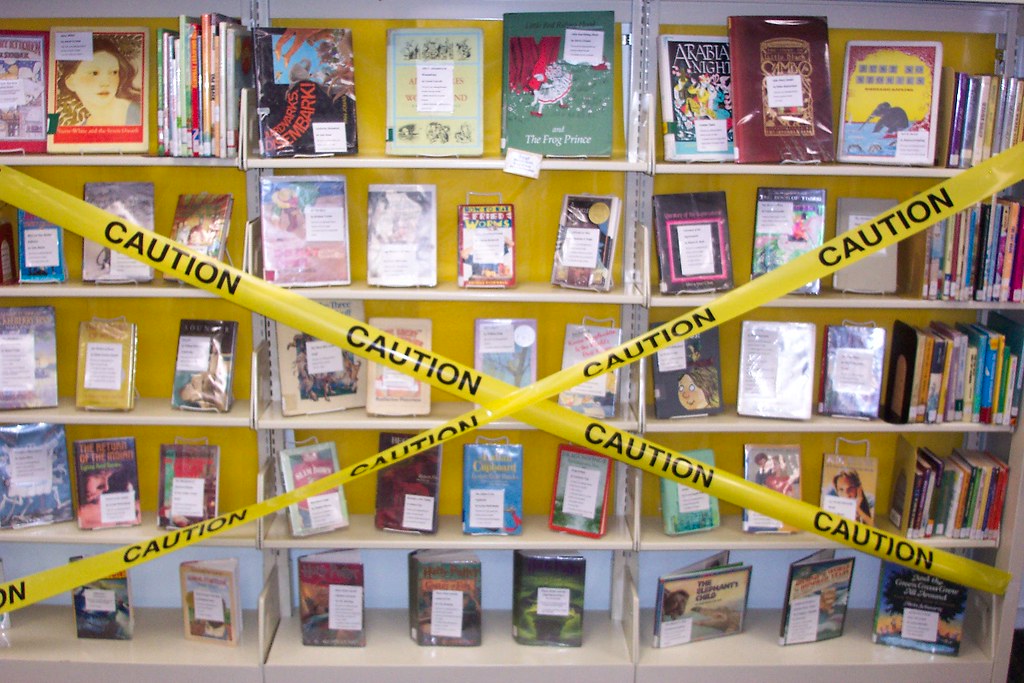
As book bans continue to rise across the United States, school libraries have entered the spotlight in a nationwide battle between parents, school educators and lawmakers over censorship in education. According to reports from PEN America, a total of 6,870 book bans occurred in U.S. school districts last school year, with many of these bans targeting books which discussed either sexuality, gender, or race.
This issue has gained further national attention following the release of the recent PBS documentary The Librarians, which highlighted the challenges school librarians across the country are facing as they attempt to fight against censorship in student literature.
The removal of books targeted towards children and young adults have mainly been driven by the efforts of both Republican lawmakers and conservative activists, who have argued that the bans are necessary to protect students from what they consider to be inappropriate content. These groups claim that many books that address race or LGBTQ+ issues are obscene or too mature for young children to read.
Meanwhile, some state lawmakers have attempted to fight back against this growing censorship through introducing legislation that counters rising book bans. One example is the Freedom to Read Act passed in New Jersey. It protects students’ access to library materials by limiting the opportunity to ban books based on personal beliefs or opinions on the material.
At the same time, censorship debates have also reached New Jersey; earlier this year, the school district of Maplewood and South Orange temporarily removed the novel The Brief Wondrous Life of Oscar Waco from their English curriculum following student mental health concerns. This decision sparked backlash from teachers and students alike, who argued that the book provided a valuable perspective on mental health and important representation for the Hispanic community.
This outrage can be echoed by many librarians, educators and students nationwide, who have similarly spoken out against book bans centered around topics or issues typically viewed as uncommon or even uncomfortable. Many argue that books covering topics such as sexuality, gender and race are necessary in order to provide real representation and an opportunity to learn about others’ differences.
MS/US librarian Diana Kinney believes that books are “windows into diverse experiences” and allow students to “build empathy … about people who have different experiences than we do.”
As a result of the efforts of conservative groups and lawmakers, even some of the most beloved children and young-adult books, such as The Perks of Being a Wallflower by Stephen Chbosky or All Boys Aren’t Blue by George M. Johnson have been banned from school libraries due to their focus on issues like race, class, and sexuality. Many school librarians and educators, such as Summer Boismier from Oklahoma, have even lost their jobs after attempting to resist the removal of these stories.
When students are unable to access books that provide unique or different perspectives from the norm, it risks limiting children’s education on entire groups of people. Learning about topics such as sexuality, race, and gender not only educates young children about the struggles of marginalized communities, but also provides these children with a wider perspective on the importance of recognizing and embracing their differences. When lawmakers deem these books as “inappropriate” and take them out of school libraries without consulting educators beforehand, the important history of minority groups across the U.S. is erased.
Even non-fiction stories, such as Aztec, Inca, and Maya by Elizabeth Baquedano, have been removed from the shelves in recent months. The removal of non-fiction books such as this only further prevents students from accessing fully diversified perspectives and learning fully about the world around them.
The removal of these important stories deprives children of both diversity and representation. When representation is taken away, students are shielded from reality and become unable to broaden their worldview beyond what has been taught to them. Book bans limit the ability for students to connect and empathize with others’ perspectives. This thought was also raised by Kinney, who reasoned that “empathy is the way to connection” and “powerful people don’t always want people to feel connected to each other.”
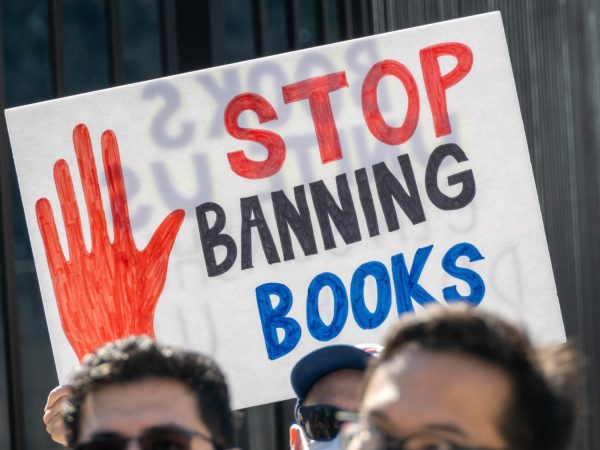
Since 2021, more than 23,000 books have been banned from school libraries across the country, with the main theme shared between them being their literary inclusion of different cultures, ethnicities, sexuality, and gender. The removal of thousands of titles, legal or not, still cannot be justified under the First Amendment, which guarantees freedom of speech and expression for all. When books that provide perspectives or experiences different from the mainstream are completely banned from educational spaces, freedom of expression is no longer a fundamental truth. Restricting what children can read only ends up limiting their outlook, restricting their access to free spaces to learn and exchange ideas, and sending a message to them that certain experiences and perspectives are less valuable than others.
If protecting children is truly the priority, the best way to do that in this current political climate is through giving them the opportunity to think and learn freely. Instead of banning books at the first sign of diversity or differing perspectives, states and schools should encourage students to explore the full spectrum of culture, ethnicity, and gender expression across not only the U.S., but the entire world.