After 15 years, the looksmaxxing community evolved from niche online forums in the 2010s to mainstream media in the 2020s. Despite the memes surrounding the ridiculous nature of looksmaxxing both within and outside the community, looksmaxxing prioritizes one thing: ascending to optimal beauty. But, behind looksmaxxing treatments such as high cortisol levels, negative canthal tilts (the occurrence of the outer corner of the eye being positioned lower than the inner corner of the eye), and high body fat percentage lies a bigger issue: the reinforcement of toxic masculinity and body dysmorphia through “looksmaxxing” beauty standards.
Although looksmaxxing is open to all ages, popular looksmaxxing creator, Clavicular, has grown an online audience with the vast majority being 17-23. His work, however, has stemmed beyond men and even introduced looksmaxxing to women.
Looksmaxxing, a term to describe the process one goes through to maximize their physical attractiveness, has taken social media by storm. Originally beginning in the 2010s on online forums such as Lookism.net and Incels.me, mainly men discussed matters surrounding rating looks and self-improvement. The ideals of looksmaxxing also expanded beyond direct platforms into satirical films such as the 2000s film American Psycho, which follows the main character, Patrick Bateman, in his pursuit of perfection; however, overall, both the term and the community remained relatively niche. As TikTok grew in the [year], so did looksmaxxing, and it became extremely popular, specifically among men.
The reason behind the intense physical enhancements and vanity could be body dysmorphia. This allows young adults and teenagers, especially boys, to cope with the unhealthy gender roles within society. On the surface, the idea of improving your looks seems like a good idea; after all, who wouldn’t want to reach their full potential? However, the issue behind looksmaxxing is more nuanced than it seems.
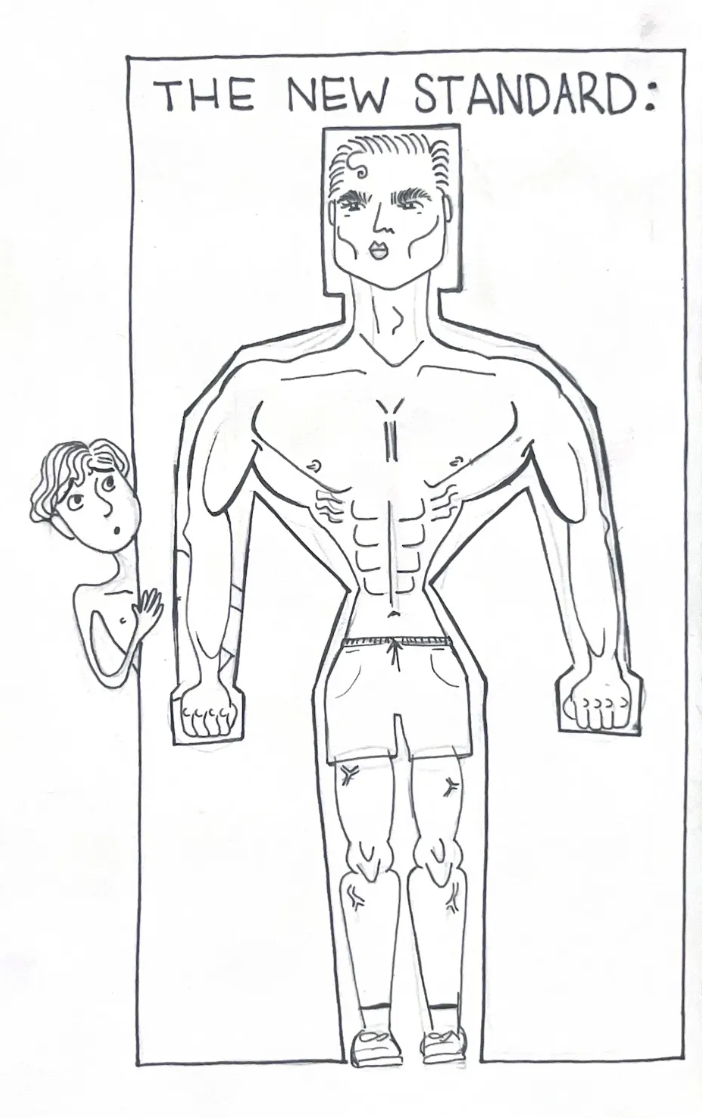
The first issue of looksmaxxing boils down to the promotion of body dysmorphia. Body dysmorphic disorder (BDD) is a mental health condition in which one hyperfixates on the flaws in their appearance — sound familiar? The lengths that people will go to reach physical desirability reflect this disorder perfectly. According to Wikipedia, looksmaxxing communities have promoted jaw surgery and bone-smashing to achieve the desired sharp jawline.
The promotion of BDD is apparent in informal matters as well. While scrolling on my TikTok “For You Page,” it feels impossible to avoid the constant memes of having “low cortisol,” which is a meme used to describe the contrast between a high-stress environment and a zen state, or “frame mogging,” which is a term used when one’s body or physique looks significantly better than someone else’s. Although it seems like harmless jokes, at what point do these jokes become a reality? After all, you are what you eat, so if you’re consuming these body dysmorphic jokes, then won’t you soon believe what you’re spewing?
The point that the underlying issues of looksmaxxing cause more harm than good is apparent in eating habits. While the promotion of eating protein-filled meals or solely eating ground beef and cottage cheese every day can help one reach the desired body quickly, I can’t help but notice other eating patterns that completely contradict the emphasis on doing what’s good for the body. For example, the consumption of energy drinks by bodybuilders and frequent gym users, which are attributes related to looksmaxxing. has detrimental effects on one’s body. So, if the real reason behind all of the looksmaxxing nonsense is to max out peak physical health, it’s not working if what’s fueling your body at the gym is considered toxic.
The second issue of looksmaxxing goes beyond the physical dangers and mental health repercussions — instead, it’s about women. The nature of these communities and jokes feels as if they’re encouraging toxic masculinity. At the crux of “ascending” is being fit for the “sexual market.” For women, that includes being petite or almost child-like. Although a leaner frame and lower body fat percentage are desired within the community, these values seem to be rooted in being physically larger than women. The dynamic of making men feel the need to be larger than women creates a power imbalance, one that is often seen in X-rated content and pornographic material, which are linked to the degradation of women.
The degradation of women is often seen through looksmaxxing media. Popular looksmaxxing content creator Clavicular, who has a great influence on the community, has shared his own opinions on women, stating that they have “no backbone” when it comes to politics.
Even small remarks like this reinforce toxic masculinity onto viewers — take a look at the comments. With users stating, “He’s actually right …. Omg” and “even a broken clock is right twice a day,” it shows just how easily influential these values have become.
On March 26, 2026, Clavicular was arrested for assault and battery. Although this may seem insignificant, considering his influence and audience, this goes back to the idea of toxic masculinity and how it breeds aggression in young men.
Blindly following mogging (an internet slang term to define looking significantly better than anyone else) and then turning around and poking fun at said ideals helps justify these dangerous beliefs, which ultimately continue to enable them. As the layers peel back, one thing is clear: Looksmaxxing goes beyond achieving peak physique and instead extends into incel-mindsets and body dysmorphic patterns. So, next time you try to looksmaxx, think about one thing: the dangers within it.