On September 10, 2025, Charlie Kirk, right-wing political activist and the founder of conservative student organization Turning Point USA, died after being shot at an outdoor speaking event at Utah Valley University. Millions of online posts were reshared on social media, some honoring Kirk or condemning gun violence, while others celebrated his death. The Editorial Board believes that reposting online social media posts is not a form of activism.
Kirk grew in popularity due to his numerous appearances online debating with college students regarding topics such as gun control, abortion rights, and rights for transgender individuals in America. On his college campus tour, he maintained extreme views in support of gun ownership, antisemitism, and islamophobia, while criticizing the LGBTQ+ and DEIB movements.
In response to Kirk’s death, a large number of young people throughout the country posted on their social media platforms about the event. Some people reposted posts in solidarity with Kirk and his family, while others posted regarding gun violence and recent acts of political violence.
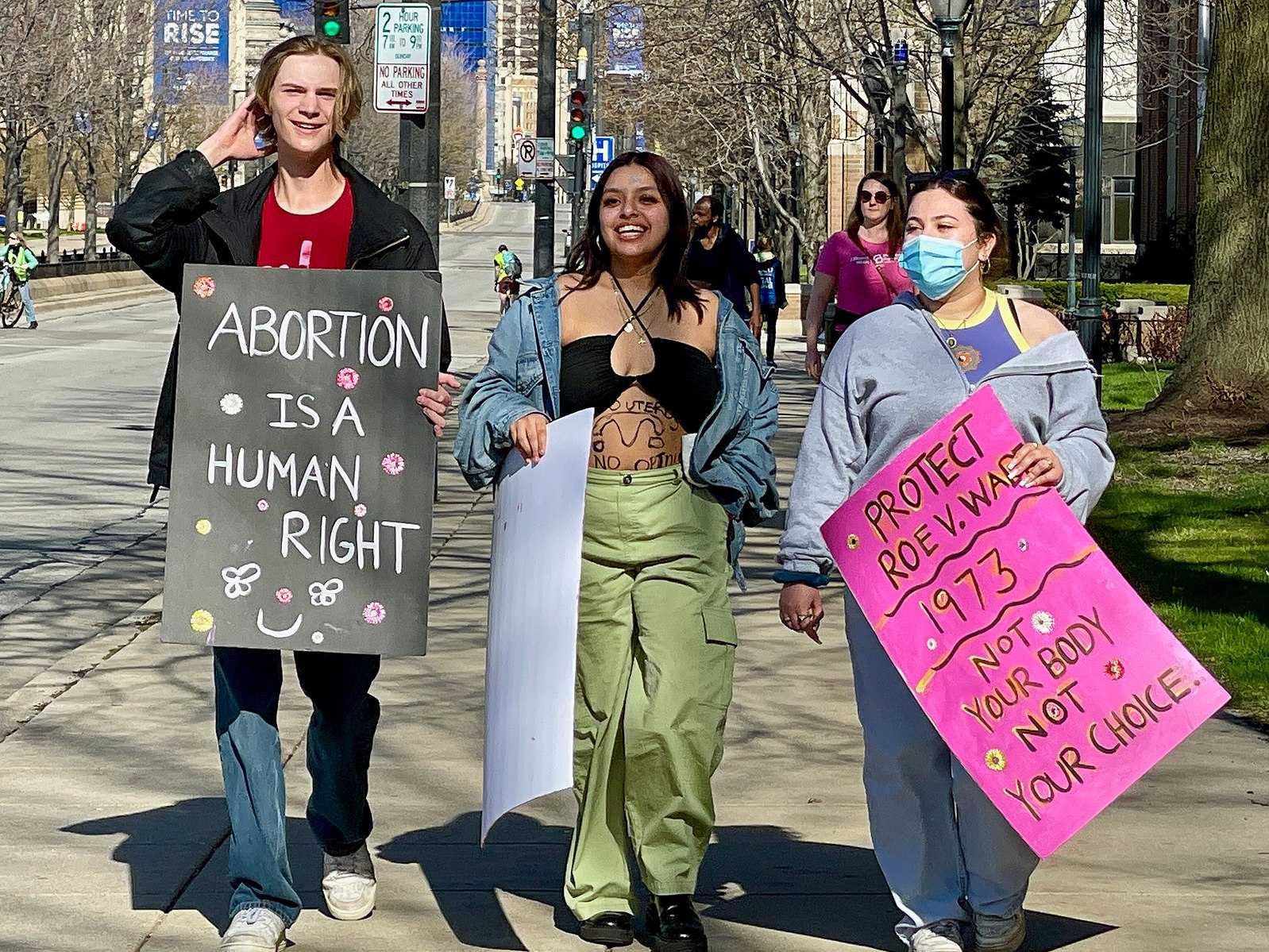
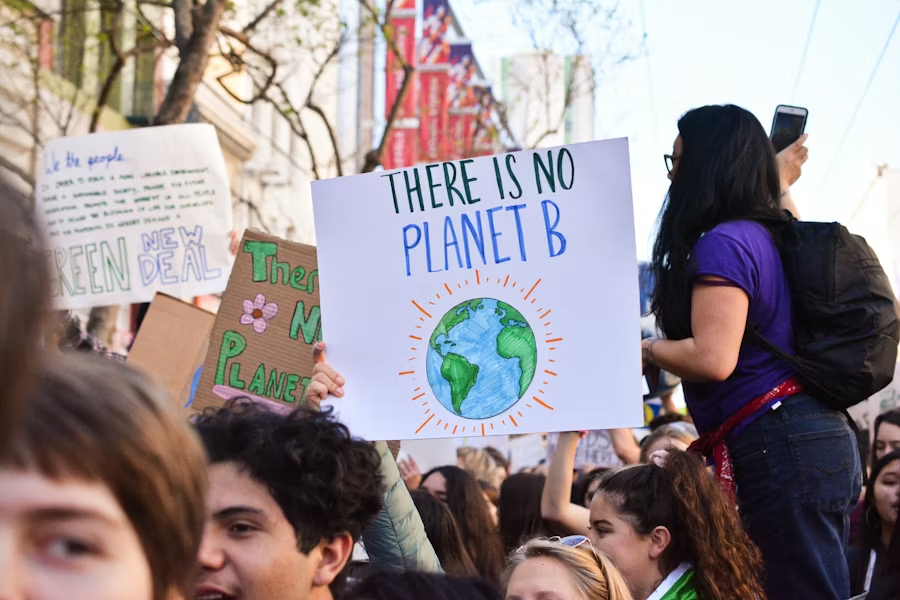
The First Amendment is at the core of American values, and activism naturally falls under this protection of speech. People use these freedoms to advocate for a cause and create change, giving them, in theory, a level of power comparable to that of those in authority. Throughout history, activism has been used to challenge the status quo to bring out social, political, economic, or environmental reform through demonstrations, protests, strikes, civil disobedience, and online campaigns. While the definition of activism is fluid in nature, the Editorial Board defines activism as a practice that emphasizes direct action supported by a desire to support or oppose a societal issue.
The Editorial Board has witnessed a current climate in which engaging with political and social issues through a screen is indicative of the level of care an individual has for an issue. Current events, such as recent ICE raids and protests, the federal government shutdown, and the Israel-Palestine war, have sparked many people to use social media to discuss and reshare posts on topics that they care about.
Many people, especially younger generations, turn to social media to support or oppose societal issues. In fact, nearly half of U.S. social media users in a survey by the Pew Research Center claimed to be politically active on social media in 2023. Recently, people repost online posts on platforms like Instagram to share thoughts on current events. People repost by resharing posts on their story or using the repost feature, which allows users to share public feed posts to their followers.
While social media is an accessible platform for young people and underrepresented groups to express their feelings and opinions openly, the act of resharing trendy and catchy phrases can often do more harm than good, as the posts strip away important context and nuance of a topic.
When reacting to immediate current events, social media users often repost microblog posts heuristically, using practical mental shortcuts, instead of thinking analytically, making heuristic processing the dominant force driving information dissemination. The overwhelming volume of similar posts increases cognitive load, which weakens users’ ability to process information systematically. As a result, users pay less attention to the importance of blog content features. Approximately 75% of the news links shared on Facebook are reposted without people reading the linked content prior to sharing, according to a study from the University of Florida.
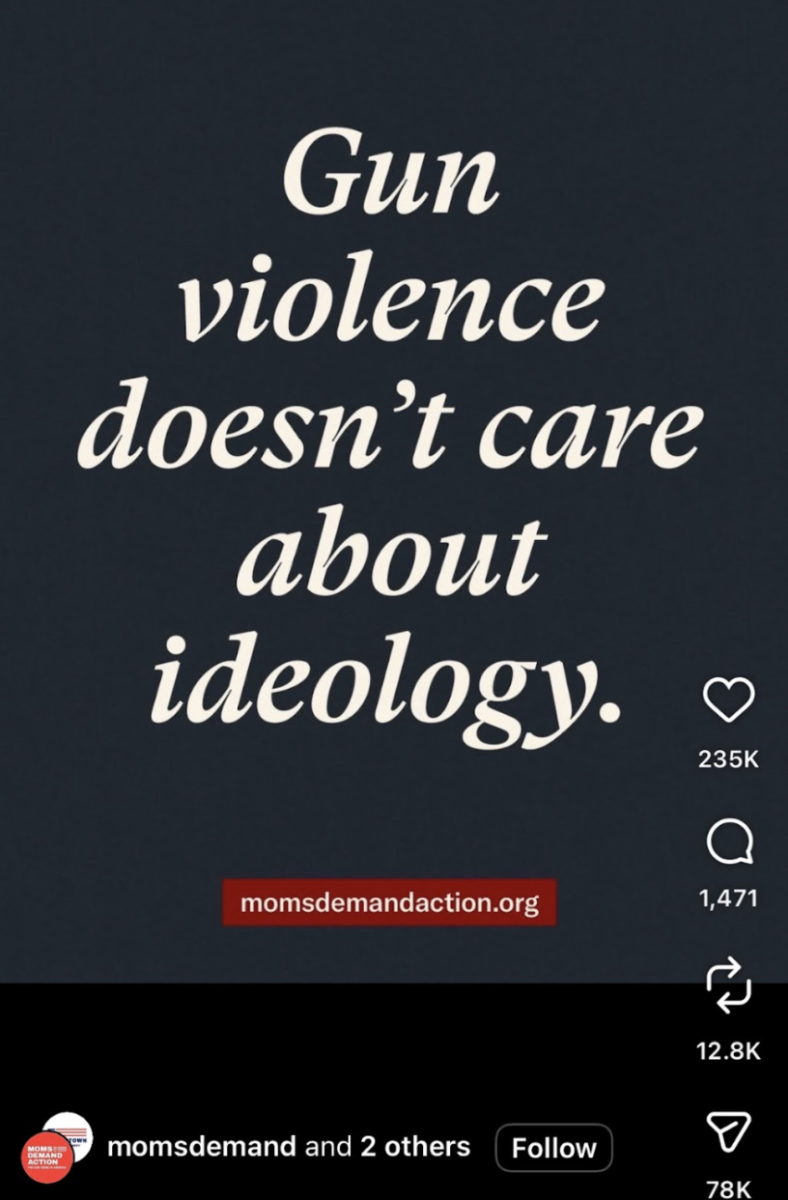
During the decision-making process of reposting posts, people will choose between the popularity heuristic, where, between two options, the decision maker will think the one that they are familiar with has a higher value, and the authoritative heuristic, which trusts influential users’ information, according to a study by Jiayin Pei et al. Posts from accounts such as “marchforourlives” and “momsdemand” had posts about gun violence in relation to Kirk’s death, amassing millions of views and hundreds of thousands of reshares.
Also, the public will be more inclined to be influenced by their peers or online influencers to participate in a specific behavior, given humans’ intrinsic herd mentality. They will be more confident in posts that have many other people resharing the content. Because social media algorithmic feeds are personalized based on past behaviors (such as who users follow, what they like, and what they share), users may be only exposed to posts that coincide with their existing political beliefs. These echo chambers create distorted perceptions where people are easily vulnerable to peer influence, creating polarization between opposing viewpoints.
Some individuals may also be reacting to or acting upon societal pressures of influencer culture. After witnessing influencers being cancelled for not speaking out, people may feel an obligation to repost without thinking analytically with the intention of making a change.
Fundamentally, the act of reposting lacks analytical thinking. While reposting has the potential to spread awareness on a global scale, online posts often lack the nuance and context of the content itself to cause substantial change in the real world. Awareness does not imply change to the scale that activism intends.
Following Kirk’s death, there were reactions such as intensified public discourse about political violence and a government-backed campaign of mass firings. However, widespread acts of activism aimed at creating change were not clearly evident. There were no notable protests addressing gun violence, few demonstrations or marches, and little policy change explicitly in relation to Kirk’s death.
The Editorial Board believes that the best way to respond to major societal events is to have productive conversations in person rather than online, promoting thoughtful dialogue as opposed to less active responses such as reposting on social media. This perspective views dialogue as a complement to activism rather than a rejection of it.
Commenting on current events brings light to issues within communities and amplifies voices, allowing people to connect through similar and different viewpoints. As political ideology is influenced by one’s environment, it is clear that there is power in conversations, regardless of whether they are held face-to-face or online.
In Meeting for Worship, should one consider themself a “bad person” if they do not stand every week and list the atrocities happening in the world during Holding in the Light, but stand to share about one particular topic that holds meaning to them? No, because that would be ridiculous. Social media works the same way. There’s nothing wrong with reposting one thing and not another.
A common saying at MFS is “speak your truth.” Resharing posts online with intentionality could be a positive form of self-expression and connection with others. Put simply, post if you feel inclined, and don’t post if you don’t feel compelled to.
The Editorial Board encourages seeking conversations with those who have differing opinions to solidify or challenge individual views and lead to a deeper understanding of the topics of conversation. The Editorial Board sees these conversations as more informative than reposts on social media platforms, which typically only display a phrase with minimal context or other information.