May is Asian American and Pacific Islander Heritage Month, so it seems like an especially appropriate time to draw attention to recent reports that have shown that hate crimes targeting South Asian communities, including Hindus and Sikhs, have reached record high. As a South Asian American, I have noticed the rise of racism especially on social media and its increasing normality against South Asians by making jokes about street food or mocking the accents. However, I have also noticed the rise of casually using South Asian traditional attire such as dupattas and bindis, but often using it without credit or mislabeling it to hide the origins.
I have seen this contradiction becoming increasingly obvious over the past few years. Although South Asian fashion, jewelry, and goods have become more mainstream, racism towards South Asian people has intensified online and in person, mainly between 2023-2025, particularly in countries such as the United States, Canada, and Ireland as shown through geopolitical tensions, anti-immigrant sentiment, and platforms encouraging rage-baiting or so-called dark humor to mask prejudice.
Sources have stated that online threats spiked in 2024 as South Asian figures such as Kamala Harris and Usha Vance started being shown in the political spotlight. This was fueled through anti-immigration scapegoating in online spaces that centered around claims that South Asians were “stealing jobs” and “threatening white livelihood.” There have also been ongoing debates about H-1B visas, the majority of which are held by Indians. Trump initially came out against the visas, saying that they are “very bad” for US workers, but then appeared to support them; in September 2025 he instituted a hefty fee to apply for these visas.
An example of this hostility affecting members of the South Asian community was when a recent report in Ireland in 2025 described the story of a six-year-old girl with Indian origins who was violently attacked by a group of teenagers yelling “go back to India” while attacking her. The girl was said to be left trembling and too terrified to play outside her home.
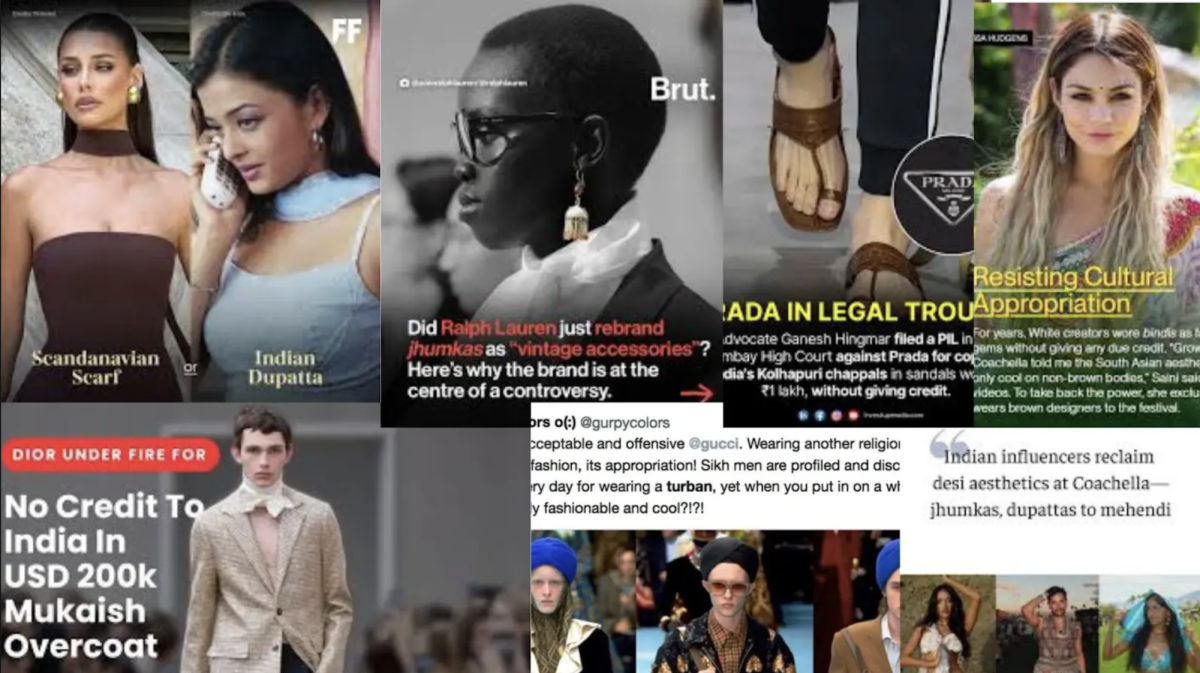
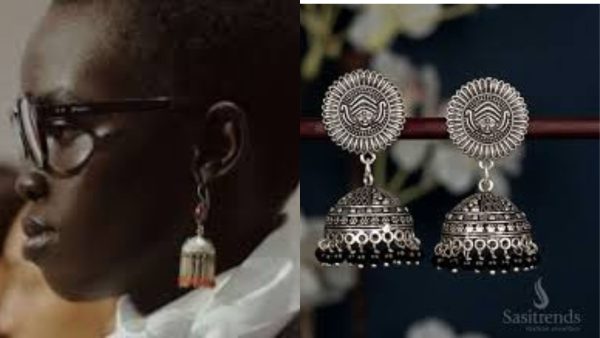
At the same time, South Asian culture has become increasingly commercialized online. Recently, while scrolling through TikTok, I came across an example of cultural appropriation through Ralph Lauren’s new earrings being labeled as “vintage accessories” while these earrings looked almost identical to traditional “jhumkas,” a jewelry staple South Asian people have been wearing for thousands of years. Viewers and critics immediately noticed the resemblance and called out Ralph Lauren, but the company has yet to acknowledge their inspiration.
Another example I have seen while scrolling through social media has been the usage of the bindi, especially during major events like Coachella. The bindi is a symbol of spiritual wisdom and concentration in Hindu tradition. Watching celebrities and influencers of non-South Asian or Hindu origin wear bindis without recognizing its deep religious importance has been seen as appropriation and disrespectful to many members of the South Asian community because it reduces the sacred and cultural significance to cheap fashion.
This contradiction shows how South Asian culture is often celebrated while South Asian people themselves still face racism and discrimination. Cultural appreciation should involve understanding and respect, and should not turn meaningful traditions into trends while ignoring the origins and significance. As South Asian culture becomes more mainstream, it is important to recognize the difference between appreciation and appropriation while also acknowledging the racism many South Asians continue to face online and in everyday life.