In January, the Moorestown Friends School Science Olympiad team qualified for the state tournament for the first time since rebuilding four years ago, following their success at the Camden County College Regional Tournament. After disbanding due to the COVID-19 pandemic, the Science Olympiad program was restarted in 2022 and has steadily improved since.
The team’s success at the most recent Regional Science Olympiad Competition was the result of constant effort and perseverance over the last four years. The dedicated upperclassmen played a significant role, bringing valuable knowledge from prior competitions and mentoring the younger competitors. This win was particularly meaningful because of the immense adversity they had faced in starting the Science Olympiad program back up from scratch.
While explaining the challenges of the Regional Science Olympiad tournament, Dr. Mosher stated, “We knew going into the tournament competing with big schools in New Jersey was going to be a challenge, but we didn’t let that affect us and ended up winning regionals and advancing to states for the first time.”
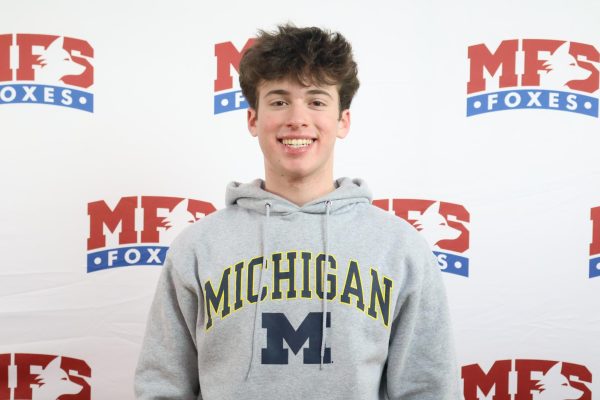
Allan Wang ’26, a current senior team captain who has been a member of the team since ninth grade, said, “Rebuilding has been a steady process, [and] I’m very proud of how far the team has come.”
“Restarting [the] Science Olympiad was especially difficult because of the lack of resources,” said Wang.
Wang elaborated, sharing that “Traditionally, binders are made for events, and are kept year after year, so new participants have access to knowledge from previous years. However, we didn’t have any of the binders from before COVID, so we had to kind of start from scratch.”
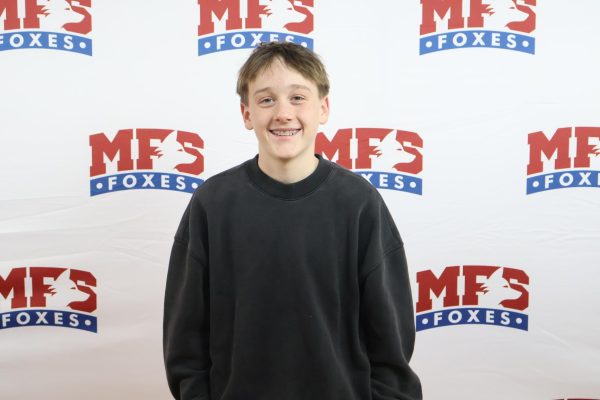
Both the Science Olympiad minor class and club are predominantly student-led. This approach allows for significant independence among participants, according to novice competitor Nolan Youseff ’28, who said the student-led model has benefitted the team.
“It’s a lot more individualized, a lot more independent, you can empathize with other students better as a student leader,” he said. “I think student leadership really helps in being able to understand what students need to be able to succeed in the class.”
The Science Olympiad team has also focused onthe program’s future by allowing younger competitors to travel to competitions. They take two teams, totaling 30 students, to compete in invitational tournaments, while most schools only bring one, so younger participants can gain experience.
“A lot of times, not everyone can come to [the scrimmages], so everyone pretty much gets opportunities to compete, and we still managed to do well in all of them.” Youseff agreed that the team has been doing well in the competitions. “This is a good year for us.”
Dr. Mosher stated that to have a competitive team, you need to have at least 20 students.
“With this many students, it is difficult to coach every subject and build every event,” she said.
When asked about the recent success of the program, co-captain Rut Patil said, “I found it incredible how this program started during my freshman year, and just over 4 years later, we’ve managed to have so much success.”
“The sense of community and the sense of people helping each other, and, you know, the older students encouraging the younger students, I think that’s really been nice,” Mosher said. “It helped them push through and made it over a little bit of a hump.”